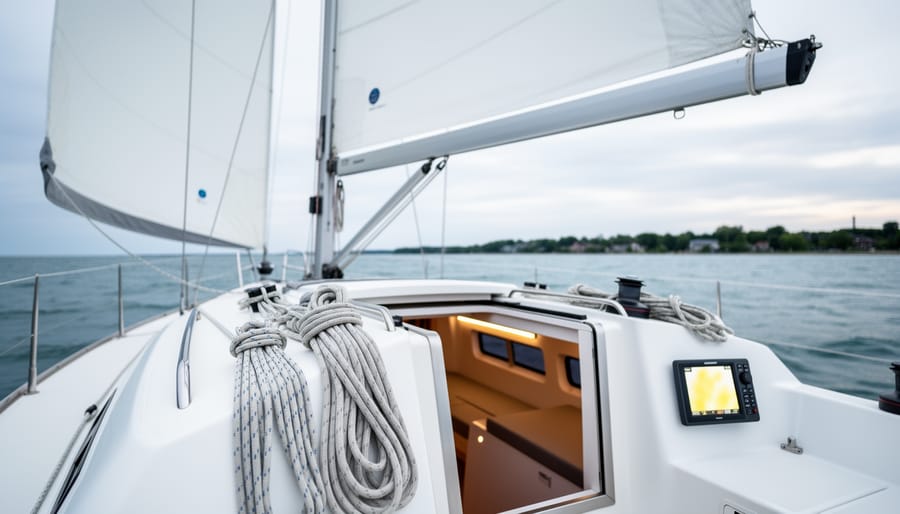
Upgrading your recreational sailboat transforms time on the water from merely functional to genuinely enjoyable, whether you’re weekend cruising on Lake Ontario or racing in Georgian Bay regattas. Seven key enhancements stand out for Ontario sailors looking to improve their boats in 2026: autopilot systems that free you to focus on sail trim and scenery, upgraded sail inventory tailored to local wind conditions, cockpit cushions and dodgers that extend your season into chillier months, LED lighting for safer night passages, modern chart plotters with detailed Great Lakes navigation data, efficient galley equipment for longer cruises, and quality foul-weather gear storage solutions.
These modifications aren’t about chasing the latest gadgets. They address real challenges Ontario sailors face: short seasons that demand we maximize every outing, variable wind conditions across our diverse waters, and the desire to extend trips beyond day sails without sacrificing comfort. Smart upgrades pay dividends in extended usability, better resale value, and pure sailing satisfaction.
The best part? Most of these enhancements can be tackled as winter projects or phased in over a season or two, spreading costs while building skills. You’ll find options suited to different boat sizes, budgets, and sailing styles, from the DIY-friendly to professional installations that deliver immediate results.
How We Selected These Recreational Sailboat Enhancements
We chose these recreational sailboat upgrades through extensive conversations with members at Kingston Yacht Club, Portsmouth Olympic Harbour, and other Ontario sailing communities. Each enhancement met four key criteria: proven impact on sailing enjoyment, suitability for Lake Ontario and Georgian Bay conditions, straightforward installation that doesn’t require structural modifications, and value for both weekend cruisers and Wednesday night racers.
We prioritized upgrades that sailors actually use and recommend to friends, not flashy gadgets that sit idle. Every item delivers noticeable improvements to comfort, safety, or performance without the complexity of major projects like a tuned mast or hull modifications. We also considered maintenance demands in Canadian seasons and whether the upgrade encourages more time on the water rather than at the dock working on systems.
The result is a practical list that reflects what Ontario sailors value most: enhancements that transform ordinary sails into memorable adventures while remaining accessible to DIY installers or professional shops.
1. Marine Refrigeration Systems for Extended Cruising Comfort
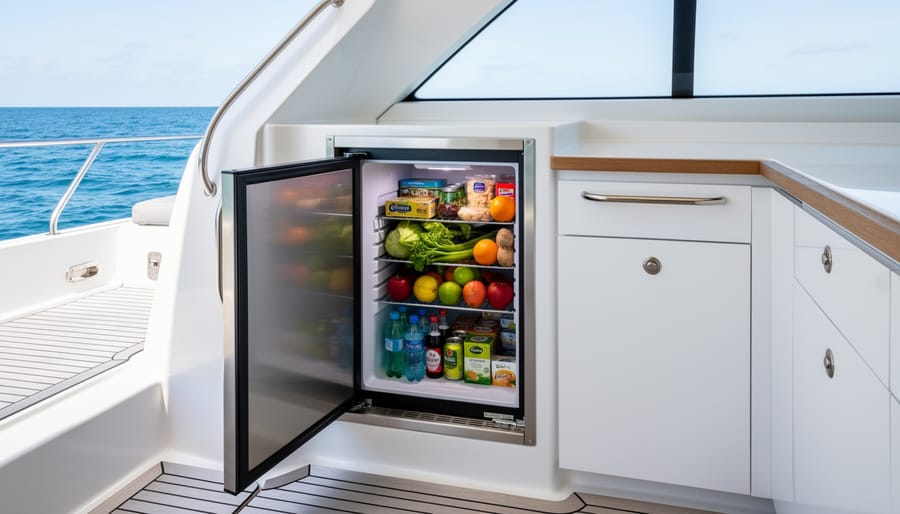
Installing a marine refrigeration system stands as one of the most practical upgrades for any recreational sailboat, fundamentally changing how you provision and plan longer trips. Gone are the days of draining ice water from the cooler or cutting cruises short because fresh food spoiled.
Modern 12V compressor refrigeration units draw surprisingly little power, typically 2.5 to 4 amps during the cooling cycle, running intermittently to maintain temperature. A well-insulated 2.5 cubic foot unit might consume 30-40 amp-hours over 24 hours in typical Ontario summer conditions. Compare that to older thermoelectric systems that ran continuously and drained batteries quickly. Today’s Danfoss and Secop compressors cycle efficiently, making multi-day anchoring practical without constantly running your engine.
Installation varies with hull size and layout. Compact front-opening units fit under cockpit seats or in quarter berths on boats 30 feet and under, while top-loading chest-style refrigerators work better for larger vessels with dedicated galley space. Most systems integrate directly with your existing 12V electrical panel, though you’ll want to verify your alternator provides adequate charging capacity for the increased draw. Some sailors add a dedicated battery bank specifically for refrigeration to isolate critical loads.
The transformation proves dramatic. Fresh vegetables, meat, and dairy products last an entire week, letting you anchor in remote bays rather than returning to marinas for ice. You can prepare proper meals instead of relying on freeze-dried provisions though many cruisers still appreciate DIY freeze drying for backup emergency rations. Cold drinks after a hot afternoon sail become standard, not luxury.
2. Upgraded Sail Inventory: Performance Cruising Spinnakers and Gennakers
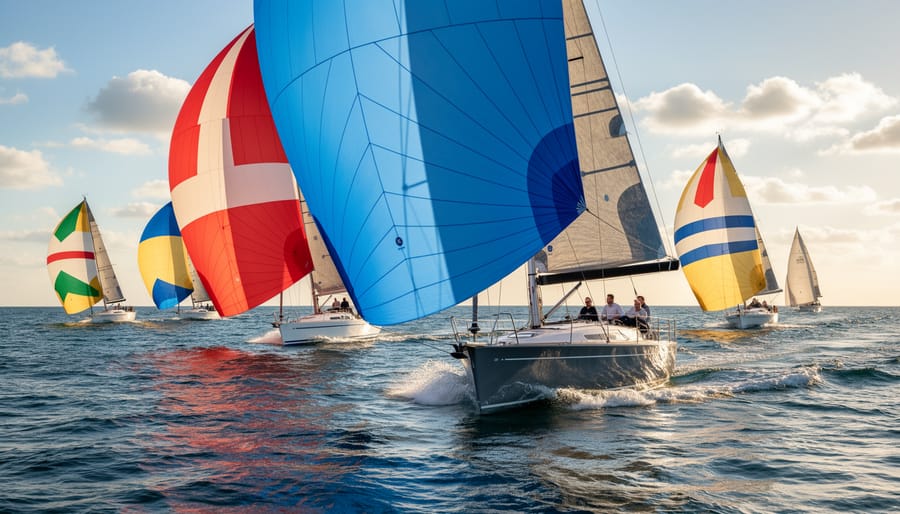
Adding an asymmetric spinnaker or gennaker to your recreational sailboat transforms downwind and reaching performance while opening up exciting new sailing possibilities. These specialized sails capture wind angles that standard headsails simply can’t harness, turning light-air doldrums into exhilarating runs and making formerly tedious downwind legs the highlight of your day.
For Lake Ontario’s variable conditions, a cruising gennaker strikes the ideal balance between performance and manageable handling. Unlike symmetric spinnakers that demand constant trimming and skilled crew, modern asymmetric designs tack from the bow and fly from a continuous line, making them accessible for shorthanded crews or families. These sails excel in the 8-15 knot range common on Ontario waters during summer months, filling the performance gap between your genoa and truly heavy-weather sailing.
The practical advantages make these sails worthwhile additions:
- Significantly faster passages on downwind legs and broad reaches
- Better light-air performance when traditional sails lose shape
- Racing versatility for club events with dedicated spinnaker classes
- Enhanced sailing enjoyment with dynamic, engaging helming
Rigging requirements depend on your boat’s existing setup. Most recreational sailboats need a bowsprit or prodder for proper tack attachment, continuous-line furling systems for easier handling, and appropriate mast tuning to handle the additional loads. Budget around two to three thousand dollars for a quality sail plus another five hundred to a thousand for installation hardware.
Storage presents minimal challenges since these sails stow in dedicated bags that fit in cockpit lockers or v-berths. Snuffer systems allow quick dousing without crew going forward, which proves invaluable when conditions change suddenly on open water. For sailors new to asymmetric sails, starting with a smaller gennaker builds confidence before moving to larger, more powerful designs optimized for racing.
3. Cockpit Comfort Upgrades: Cushions, Backrests, and Shade Solutions

A well-appointed cockpit turns your recreational sailboat from a vessel you operate into a space where you actually want to spend time. Quality comfort upgrades make the difference between cutting trips short and lingering at anchor until sunset.
Marine-grade cushions designed for Canadian conditions should feature closed-cell foam cores that resist moisture absorption and quick-drying fabrics like Sunbrella or similar solution-dyed acrylics. These materials handle our humid summers and occasional spray without developing mildew or losing shape. For cockpit seating, look for cushions with non-slip backing and secure tie-downs, comfort matters little if they’re sliding around during a tack. Adjustable backrests that clip onto coamings transform hard fiberglass seats into lounging spots where crew members will happily spend hours, and they store flat when racing performance takes priority.
Bimini tops and dodgers represent bigger investments but deliver outsized returns for recreational sailing. A bimini provides crucial sun protection during long summer days on Lake Ontario, preventing fatigue and sunburn that can end trips early. Dodgers shield the companionway from wind and spray, extending your comfortable sailing season into spring and fall. Choose stainless or aluminum frames with marine canvas in colors that complement your boat, functionality doesn’t require sacrificing aesthetics.
Storage remains the practical challenge. Removable cushions need dry, ventilated spaces below deck. Collapsible biminis should fold smoothly without fighting rigging lines. The best cockpit upgrades balance everyday comfort with the reality that you’ll occasionally need full access to deck hardware and sailing systems. When friends look forward to joining you rather than enduring the trip, you’ve made the right enhancements.
4. Advanced Navigation Electronics: Chartplotters and AIS Integration
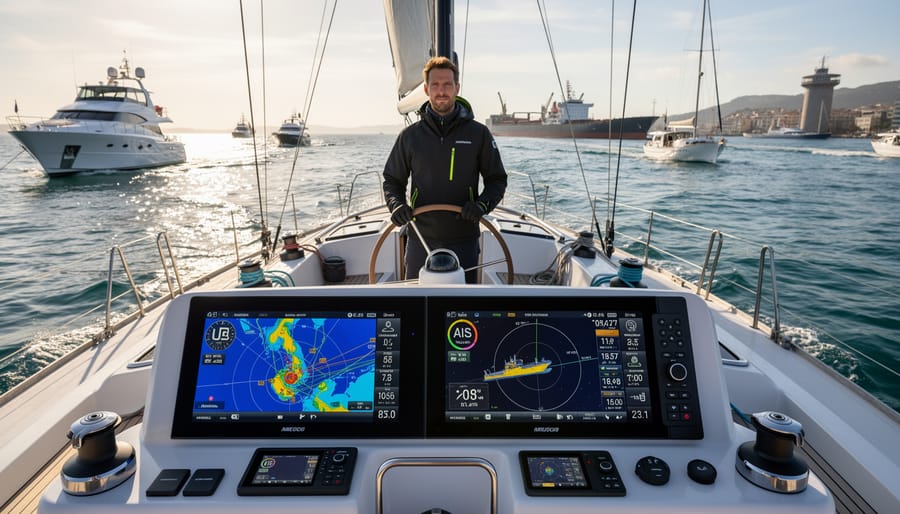
Modern chartplotter systems with integrated AIS receivers mark a genuine leap forward in situational awareness for recreational sailboat owners cruising Lake Ontario and the Thousand Islands. These units combine electronic chart displays with real-time vessel tracking, allowing you to see not just your position but also the location, course, and speed of commercial traffic, ferries, and other AIS-equipped boats around you, critical information when navigating the busy approaches to Kingston Harbor or crossing shipping lanes near the Welland Canal.
Installation ranges from straightforward to moderately involved depending on your electrical setup. Standalone chartplotters mount at the helm with basic power connections and a GPS antenna, while networked systems integrate with existing depth sounders, wind instruments, and autopilots through NMEA protocols. Most recreational sailors find touchscreen units in the seven to nine-inch range offer excellent visibility without dominating the cockpit, and they draw modest power from your house battery system.
AIS receivers (built into many modern plotters) drastically improve safety by showing vessels that might not appear on radar or be visible in rain, darkness, or glare. You’ll see commercial ships ten miles away, giving plenty of time to adjust your course rather than discovering a freighter at the last moment. The real-time data includes vessel name, type, and closest point of approach calculations, information that transforms nerve-wracking encounters into manageable navigation decisions. This confidence lets you venture farther and sail in conditions you might otherwise avoid, genuinely expanding your recreational sailing range.
5. Freshwater Shower Systems for Post-Swim Convenience

A cockpit-mounted freshwater shower transforms your recreational sailboat from a simple day-sailer into a comfortable cruising platform. After a refreshing swim in Lake Ontario or dealing with sticky salt spray residue, nothing beats rinsing off with warm fresh water before heading below or settling in for sundowners.
You’ll choose between two main system types. Pressure systems connect to your existing freshwater pump and deliver consistent flow at the push of a button, ideal if you already have a pressurized water system aboard. These typically draw from your main freshwater tank and can be plumbed with hot water mixing for added comfort. Gravity-fed options offer simplicity: a dedicated 2-5 gallon tank mounted in a sunny location heats naturally throughout the day, providing warm water without drawing from your house supply or requiring additional pumps.
Tank capacity matters more than you might expect. A typical rinse uses 1-2 gallons per person, so if you’re sailing with family or friends, plan accordingly. Many sailors add a dedicated shower tank to preserve drinking water reserves, especially on extended cruises where freshwater management is critical.
Installation is straightforward on most recreational sailboats. Transom-mounted systems work well on aft cockpit designs, while side-deck installations suit center-cockpit layouts. The simplest setups require only through-deck fittings and basic plumbing connections, often a weekend project for moderately handy sailors.
Beyond post-swim convenience, freshwater showers make cleaning fishing gear, rinsing dive equipment, and even washing down the dog considerably easier, adding genuine everyday value to your sailing adventures.
6. High-Efficiency Solar Panels for Off-Grid Independence
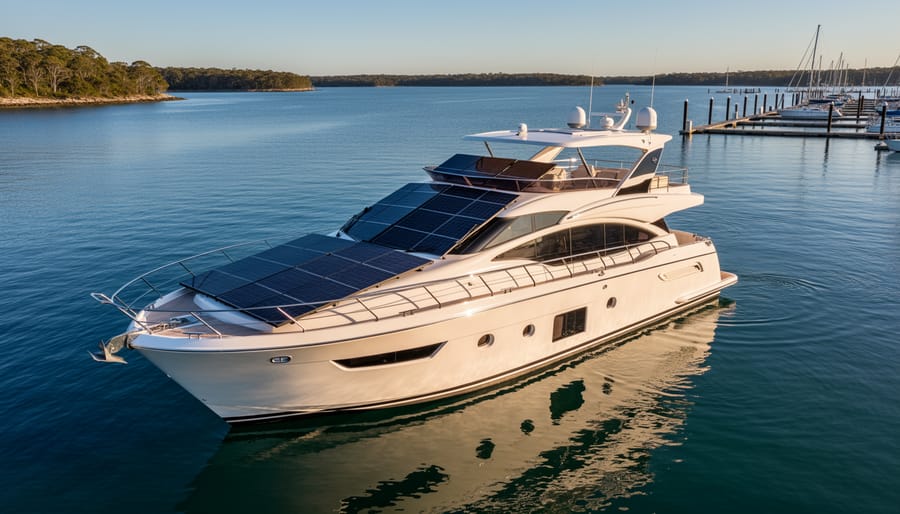
Solar panels have become essential recreational sailboat equipment for cruisers who value self-sufficiency on Lake Ontario and beyond. A properly sized solar array eliminates the anxiety of dead batteries after a few days at anchor and lets you run essential systems without firing up the engine or searching for shore power connections.
For most recreational applications, you’ll choose between flexible panels that mount flush to decks or biminis, and rigid panels mounted on arches or rails. Flexible panels cost less upfront and work well on curved surfaces, but rigid monocrystalline panels generate 15-20% more power per square foot and last considerably longer. A typical 30-foot cruising sailboat needs 200-400 watts of capacity to maintain power balance during multi-day trips.
Solar can reliably support common power demands including:
- Marine refrigeration systems running overnight to extend galley storage
- Chartplotters and navigation electronics during daylight sailing
- LED cabin lights and anchor lights throughout the evening
- Freshwater pressure pumps for showers and sinks
- USB charging stations for phones and tablets
Ontario’s climate provides adequate solar generation from May through September, with peak production hitting 70-80% of rated capacity on clear days. Expect roughly four to five productive hours daily during cruising season. Mount panels where they’ll see unobstructed sun from mid-morning through mid-afternoon, avoiding shade from the mast or boom.
Integration with your existing charging system requires a quality MPPT controller sized to your panel output, proper fusing, and ideally a battery monitor that shows real-time consumption versus generation. This visibility transforms how you manage power, letting you cruise confidently without constant calculations about whether you’ll have juice for the morning coffee pot.
7. Quality Marine Audio Systems for Onboard Entertainment
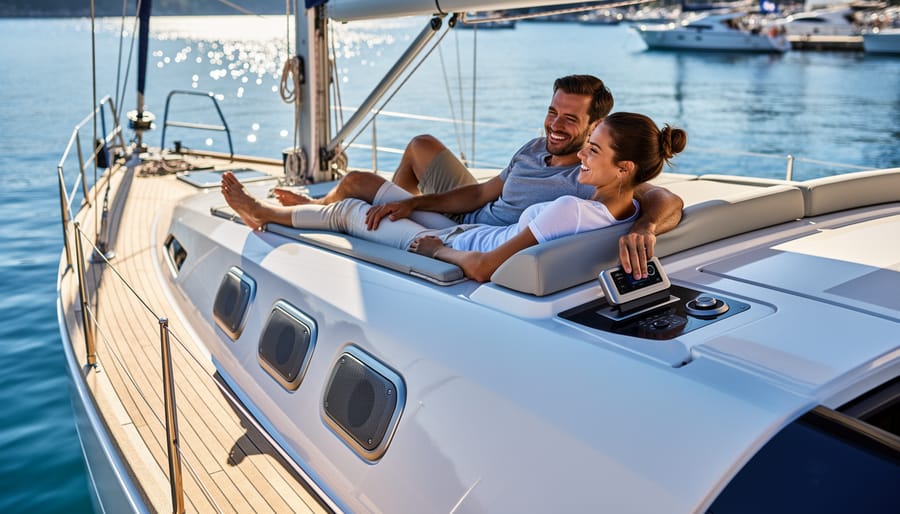
A quality marine stereo transforms your recreational sailboat into a floating entertainment venue without compromising the sailing experience. Modern marine audio systems with Bluetooth connectivity let you stream curated playlists directly from your smartphone, eliminating the need for physical media and clunky connections. Look for systems rated IPX6 or higher for genuine weather resistance against spray and occasional rain.
Speaker placement matters enormously. Mount speakers in the cockpit where sound remains clear but doesn’t overpower conversation or crew communication during maneuvers. Avoid placing speakers near the helm where they might interfere with wind sounds or verbal commands. Many sailors mount compact marine speakers under the dodger or along cockpit coaming for balanced coverage. Two well-placed speakers typically outperform four poorly positioned ones.
Power consumption deserves careful consideration. Most marine stereos draw 2-4 amps when playing at moderate volume, which drains house batteries surprisingly fast during all-day anchorages. Plan to run your stereo when the engine is charging batteries or solar panels are producing, not during quiet evenings when you’re conserving power. Some systems include efficient Class D amplifiers that reduce draw by nearly half compared to older designs.
The real value emerges during social moments. Music creates atmosphere during sunset cocktails in protected anchorages, turns crew arrivals into celebrations, and makes long motorsailing stretches more enjoyable. Choose models with intuitive controls so adjusting volume doesn’t require multiple button presses while managing sails. The right system adds joy to your recreational sailboat without dominating the peaceful nature of sailing itself.
Making Your Recreational Sailboat Uniquely Yours
The best recreational sailboat is one that reflects how you actually use it. If racing occupies most of your calendar, that performance cruising spinnaker and advanced navigation electronics deserve priority. Cruisers who spend long weekends anchored in the Thousand Islands will appreciate refrigeration and solar independence most. Day-sailors entertaining friends and family find cockpit comfort and audio systems transform ordinary outings into social highlights.
Start with the upgrades that address your biggest pain points or unlock experiences you’ve been postponing. A freshwater shower might seem minor until you realize it makes swimming stops more appealing, which means you anchor more often and enjoy the water rather than just sailing past it. Solar panels eliminate range anxiety about battery capacity, encouraging you to stay out an extra night without worrying about your instruments going dark.
Which upgrade provides the best return on investment?
Solar panels and quality marine electronics consistently deliver value through reduced operating costs and enhanced safety. Both appeal strongly to potential buyers and improve your daily sailing experience immediately.
Can these modifications affect resale value?
Professional installations of refrigeration, electronics, and solar systems typically increase resale value when properly documented. Cosmetic upgrades like cushions matter less financially but help your boat show better to buyers.
Do I need professional installation or can I DIY these enhancements?
Cushions and audio systems are straightforward DIY projects. Refrigeration, electronics integration, and solar panel wiring benefit from professional installation to ensure proper sealing, electrical safety, and warranty coverage.
The Canada Sailing Community team handles installations ranging from complete electronic retrofits to custom canvas work, and we’re happy to discuss which modifications suit your specific boat and sailing patterns. Many members tackle simpler projects themselves and bring us in for the technical work requiring specialized tools or marine electrical expertise.
These enhancements aren’t about chasing perfection. They’re about removing the friction points that keep your recreational sailboat tied to the dock when you’d rather be sailing. Better comfort means longer trips. Improved systems mean fewer headaches and more confidence. The right upgrades turn “we should go sailing” into “let’s spend the weekend aboard.”