Inheriting a sailboat in the UK brings both opportunity and responsibility—whether you’re ready to sell immediately or need time to assess your options. Start by locating the boat’s registration documents and bill of sale, as you’ll need proof of ownership transfer before listing. Contact inherited property buyers UK specialists who also handle marine assets, or reach out to yacht brokers familiar with probate sales for initial valuations.
Document the vessel’s current condition through detailed photographs and arrange for a professional marine survey—this investment typically returns dividends by establishing credible asking prices and identifying issues before buyers discover them. Check the Small Ships Register or Part 1 Registry to confirm registration status, as updating ownership records through the Maritime and Coastguard Agency streamlines the selling process considerably.
Determine whether you’re selling a cherished family vessel or simply liquidating an asset, as this influences your timeline and marketing approach. Quick-sale options through marine salvage companies or boat-buying services offer convenience at reduced prices, while private sales or broker-assisted listings maximize value but require more involvement. Consider your inheritance tax obligations and deadlines, as HMRC timelines may influence your selling strategy.
Assess berthing fees, insurance costs, and storage charges accumulating during the sale period—these ongoing expenses often motivate realistic pricing. Understanding UK-specific VAT status, particularly for boats kept in EU waters, prevents complications during ownership transfer and protects both parties legally.
Understanding What You’ve Inherited
Check the Vessel’s Legal Status and Documentation
Before you can confidently sell your inherited sailboat, you’ll need to sort out the vessel’s legal standing and documentation. This might sound daunting, but it’s a straightforward process that protects both you and potential buyers.
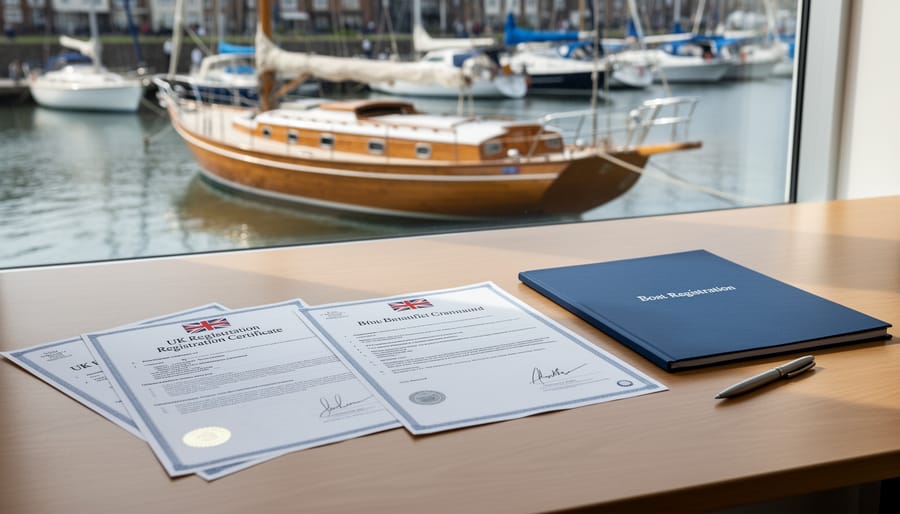
In the UK, boat registration isn’t mandatory for all vessels, but it affects marketability. Part 1 registration through the UK Ship Register is the gold standard, providing full title documentation similar to a car’s logbook. This registration proves British nationality and offers significant legal protection, making your boat more attractive to serious buyers. The Simpler Small Ships Register (SSR) is an alternative for vessels under 24 metres used for pleasure, though it doesn’t provide proof of ownership in the same way.
Check whether your inherited boat carries either registration. If you’re unsure, contact the Maritime and Coastguard Agency. If the vessel is registered, you’ll need to update ownership details once probate confirms your legal right to the boat.
Speaking of probate, this process establishes your authority to sell. The executor must verify that the sailboat forms part of the estate and that you have permission to transfer ownership. Obtain official documentation proving this, as buyers and their solicitors will request it.
Don’t overlook outstanding loans or liens. Check with marine finance companies and contact the previous owner’s bank. Any encumbrances must be cleared before sale. A boat with a clean title sheet commands better prices and sells faster, giving you peace of mind throughout the transaction.
Assess the Sailboat’s Condition Honestly
Before listing your inherited sailboat, take time for an honest evaluation—this knowledge protects you from surprises and helps set a realistic asking price. Start with hull integrity, examining the gelcoat for cracks, crazing, or blisters that might indicate osmosis. Check the deck for soft spots by walking carefully and pressing areas around fittings and stanchions. These issues don’t necessarily mean you can’t sell, but transparency builds trust with buyers.
Next, assess the rigging condition. Standing rigging should show no broken strands, rust, or significant wear at terminals. Running rigging—halyards and sheets—ages faster but is less costly to replace. Note the sail inventory and document any tears, UV damage, or worn stitching.
If there’s an engine, attempt to start it and check for unusual sounds, smoke, or leaks. Even non-running engines have value for parts, so document everything honestly.
Here’s when professional help pays off: if you’re unfamiliar with sailboats, hiring a qualified marine surveyor provides an objective condition report that protects both you and potential buyers. Surveys typically cost between £10-15 per foot but deliver invaluable documentation. This investment often speeds the sale and justifies your asking price, especially for boats over 30 feet or those requiring significant work. Remember, knowledgeable buyers will likely commission their own survey anyway—getting ahead of this process demonstrates transparency and professionalism.
Preparing Your Sailboat for Sale
Which Repairs Actually Add Value
When preparing your inherited sailboat for sale in the UK market, understanding which repairs deliver genuine value versus those that drain your budget is crucial. Think of it as preparing your vessel for survey rather than a full refit.
Priority one should always be safety-critical systems. Prospective buyers and their surveyors will immediately flag rigging concerns, so addressing worn standing rigging, damaged turnbuckles, or corroded fittings often returns your investment pound-for-pound. Similarly, structural issues like osmosis blistering, deck delamination, or keel bolt corrosion must be resolved. These aren’t negotiable items for serious buyers—they’re deal-breakers that dramatically reduce your pool of interested parties.
Basic engine maintenance represents another wise investment. A professional service confirming your diesel runs reliably, with documentation showing recent oil changes and impeller replacement, provides peace of mind worth far more than the modest cost involved.
However, cosmetic upgrades rarely return their investment when selling. New cushions, upgraded electronics, or fresh varnish might appeal to your sailing sensibilities, but most buyers have their own vision. Instead, focus on thorough cleaning and presenting what’s there honestly.
The golden rule: fix what prevents the sale, maintain what ensures safety, but resist the temptation to upgrade beyond these essentials. Your inherited boat needs to be seaworthy and survey-ready, not showroom perfect.
Presentation Matters More Than You Think
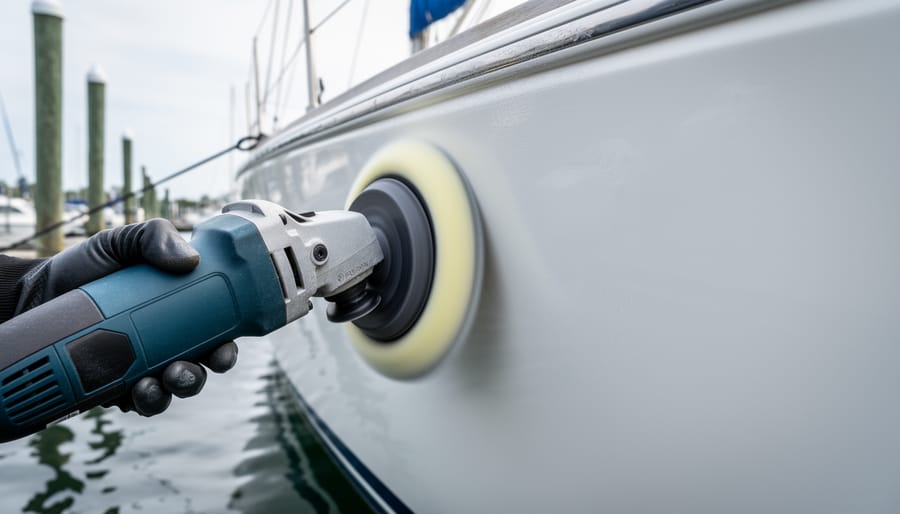
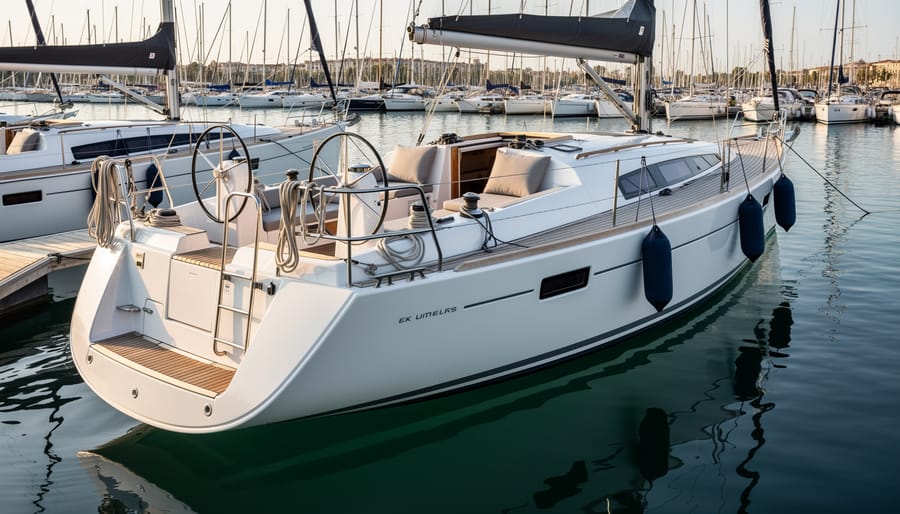
First impressions truly matter when potential buyers step aboard your inherited sailboat. A thorough cleaning makes an enormous difference—remove grime from the deck, polish stainless steel fittings, and ensure the bilge is spotless. Think of it as preparing for race day: every detail counts. De-clutter the cabin by removing personal items and excess gear that might distract buyers from envisioning their own sailing adventures.
Quality photographs are your most powerful marketing tool. Capture images on a sunny day with good natural light, showcasing the boat from multiple angles including deck layouts, helm station, sail locker, and cabin berths. Don’t forget underwater shots if you can arrange a haul-out.
Create a comprehensive inventory listing all equipment, safety gear, electronics, and modifications. Document recent upgrades like new standing rigging, updated electronics, or sail replacements with receipts if available. This builds buyer confidence and justifies your asking price. Include specifics about the sail wardrobe—condition of genoas, spinnakers, and storm sails. UK buyers particularly appreciate knowing the maintenance history and whether the boat meets current Maritime and Coastguard Agency safety standards.
Gathering Documentation Buyers Want to See
Having your paperwork organized demonstrates you’re a serious, trustworthy seller—something buyers truly appreciate. Start gathering service records that show regular maintenance like engine servicing, rigging inspections, and antifouling work. These documents tell the story of a well-cared-for vessel.
Locate any previous survey reports, as these provide independent validation of the boat’s condition and can justify your asking price. Equipment manuals for navigation systems, engines, winches, and other onboard gear add tremendous value—buyers feel more confident when they know they can properly maintain what they’re purchasing.
VAT documentation is crucial in UK sales. You’ll need proof of VAT paid status or evidence the boat qualifies for exemption. This single document can significantly impact the sale price and buyer interest.
Keep receipts for modifications, upgrades, or major repairs. Whether it’s new sails, electronics installations, or hull work, these records show investment in the boat and help buyers understand what they’re getting. Missing documentation won’t necessarily sink your sale, but having it organized creates confidence and often speeds negotiations considerably.
Choosing the Right Selling Method for Your Situation
Private Sale: Maximum Return with More Effort
Selling privately takes more work, but you’ll keep the full selling price—a rewarding outcome when you invest the effort. Start by listing your inherited sailboat on specialized platforms like Apollo Duck and YachtWorld, where serious sailors actively search for boats. These sites attract knowledgeable buyers who understand what they’re looking at. For broader reach, eBay can work well, though expect more varied inquiries.
Pricing requires honest evaluation. Research comparable boats currently listed and recently sold, adjusting for your vessel’s condition and any upgrades. Price competitively but leave modest negotiating room—experienced sailors will spot an inflated price immediately.
Prepare for viewings by having documentation ready: registration papers, maintenance records, and survey reports if available. Clean the boat thoroughly and be honest about any issues. Knowledgeable buyers will discover problems during surveys anyway, and transparency builds trust.
When negotiating, remember that sailing enthusiasts often bring expertise. They’ll ask detailed questions about rigging condition, hull integrity, and systems functionality. Answer honestly and remain flexible. Marine surveys typically reveal issues that affect final prices, so expect renegotiation after inspection.
Managing inquiries, scheduling viewings, and handling test sails demands time and patience, but connecting directly with buyers who’ll genuinely appreciate your inherited vessel makes the effort worthwhile.
Yacht Brokers: Professional Help at a Cost
Working with a yacht broker can transform your selling experience from overwhelming to manageable, especially when you’re navigating unfamiliar waters after an inheritance. These maritime professionals typically charge between 10-15% commission, which might seem steep initially, but consider what they bring aboard: extensive market knowledge, buyer networks across UK marinas, professional photography, and crucially, they handle viewings while you focus on estate matters.
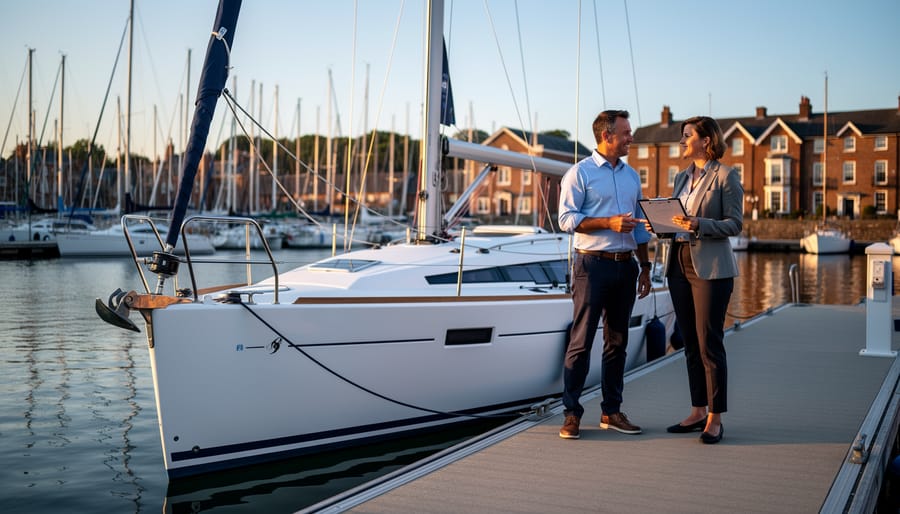
A reputable broker manages everything from accurate valuation to negotiating offers, vetting serious buyers, and coordinating surveys. They’ll also navigate the legal particulars that come with UK boat sales, including proper documentation and transfer procedures. This expertise proves invaluable when you’re balancing estate responsibilities with an unfamiliar sale.
Choose your broker wisely by checking membership with the British Marine Federation or the Yacht Brokers, Designers and Surveyors Association. Visit their offices, ask about their experience with your boat type, and request recent sale examples in similar price ranges. A good broker should demonstrate genuine enthusiasm for your inherited vessel and explain their marketing strategy clearly.
For modest-value boats under £10,000, the commission cost may outweigh benefits, making private sale more sensible. However, for quality cruising yachts or racing sailboats, professional representation often delivers better prices and smoother transactions.

Quick Sale Options When Time Matters
When circumstances demand a quick resolution, several expedited selling routes exist that sacrifice potential value for certainty and speed. Boat buying companies offer the fastest path—they’ll typically make an immediate cash offer after inspection, handling all documentation and removal. While you’ll receive considerably less than private sale prices (often 30-40% below market value), this approach eliminates months of marketing, viewings, and negotiations.
Traditional auction houses like Bonhams or specialist marine auctioneers provide another accelerated option. They handle marketing to established buyer networks and manage the entire transaction process. Expect auction fees ranging from 12-20% of the hammer price, plus potentially a buyer’s premium. The competitive bidding environment sometimes yields surprising results, particularly for classic or historically significant vessels.
Trade-in arrangements with brokers or dealers work well if you’re considering another boat. They’ll accept your inherited sailboat as part-payment, though valuations lean conservative.
For those facing genuine financial pressure or simply wanting closure after inheriting property, these faster routes bring peace of mind. The sailing community understands that sometimes practicality trumps profit—there’s no shame in choosing the path that best serves your circumstances.
Pricing Your Inherited Sailboat Realistically
Setting the right asking price is perhaps your most crucial decision when selling an inherited sailboat in the UK market. This is where thoughtful research pays dividends, helping you attract serious buyers while protecting your interests.
Start by investigating comparable sales through yacht broker websites, Yachtworld, Apollo Duck, and Sailing Scuttlebutt. Look for vessels of the same make, model, and approximate year as your inherited boat. Don’t just glance at asking prices—these often bear little resemblance to actual sale prices. Reach out to brokers who’ve recently sold similar boats and ask what they actually fetched. Most brokers are surprisingly forthcoming with this information, especially if you’re a potential client.
The condition of your sailboat dramatically affects its value. A well-maintained Sadler 32 commands significantly more than a neglected sister ship. Be honest about deferred maintenance, sail condition, and engine hours. Survey reports from similar boats can provide valuable benchmarks for adjusting your price expectations downward or upward based on your vessel’s state.
Location matters more than many sellers realize. Marina berthing costs in prestigious locations like the Solent differ vastly from those in Scotland or Wales. Buyers factor ongoing costs into their purchasing decisions, so a boat on an expensive mooring may need competitive pricing to offset those concerns.
Seasonality plays a significant role in UK boat sales. Spring and early summer bring eager buyers preparing for the sailing season, often willing to pay premium prices. Autumn and winter markets slow considerably, requiring more attractive pricing to generate interest.
Leave yourself negotiation room—typically 10-15 percent below your true bottom line. Serious sailors expect some back-and-forth, and starting slightly higher gives you flexibility while signaling you’re a reasonable seller who understands market realities.
Navigating the Tax and Legal Considerations
Navigating the tax waters after inheriting a sailboat in the UK requires attention, but the good news is that most sailors find the tax implications less daunting than initially feared. Understanding these financial considerations ensures you can make informed decisions and avoid unexpected complications down the line.
Inheritance Tax typically won’t apply to the boat itself if the estate’s total value falls below the UK threshold (currently £325,000). However, if the estate exceeds this amount, the sailboat’s value contributes to the calculation. The executor should have already addressed this, but it’s worth confirming your position, especially with higher-value vessels.
Capital Gains Tax usually doesn’t apply when selling an inherited boat. Unlike property, boats are generally considered wasting assets with a lifespan under 50 years, exempting them from CGT. This is welcome relief for most inheritors, though exceptionally valuable classic or racing yachts might warrant professional verification.
The VAT status of your inherited sailboat deserves serious attention, particularly if you’re considering selling to European buyers or planning to sail in EU waters. Boats built or imported into the EU before 1985 typically qualify for VAT-exempt status, while newer vessels should have documentation proving VAT was paid. Missing or unclear VAT status can significantly reduce your boat’s marketability and value, potentially deterring buyers who want to cruise internationally without customs complications.
When should you consult professionals? If your inherited sailboat’s value exceeds £50,000, involves unclear VAT documentation, or you’re uncertain about any tax implications, engaging a maritime solicitor or specialized tax advisor provides invaluable peace of mind and often pays for itself through proper guidance.
Selling an inherited sailboat in the UK might initially feel like navigating unfamiliar waters, but with the right approach, you’ll confidently reach harbour. You’ve now explored the essential decision points: understanding your vessel’s true value, managing the legal paperwork, choosing the most suitable selling platform, and preparing the boat to attract serious buyers. Whether you’ve spent years racing competitively or you’re completely new to the boating world, these fundamentals remain the same.
Remember, every sailboat has a story, and yours deserves to find an owner who’ll continue its legacy on the water. Take your time to assess your options realistically, seek professional guidance when needed, and don’t hesitate to connect with the UK sailing community for support. The process doesn’t need to be overwhelming when broken into manageable steps. Trust your preparation, price fairly based on thorough research, and present your vessel honestly. You’re not just completing a transaction—you’re passing along a piece of maritime heritage to someone who’ll treasure it as much as your loved one did.